
Italy, with its rich history, stunning landscapes, and diverse geography, offers a variety of climate experiences throughout the year. From the snow-capped Alps in the north to the sun-drenched beaches of the south, the weather in Italy is as varied as its cultural tapestry.
If you’re planning a trip, understanding the seasons can make all the difference in how you pack and what to expect. Spring and Fall are often the sweet spot for visiting: mild temperatures, fewer crowds, and landscapes that look straight out of a postcard. But Italy isn’t a one-season-fits-all kind of place. Each region experiences different weather patterns, and recent shifts in global temperatures have made the climate even more unpredictable.
So, how do you prepare? The key is layers, layers, layers! Northern Italy can be brisk in the mornings, while Southern Italy often enjoys warmer temperatures well into the evening. Comfortable shoes are a must (cobblestones and heels don’t mix well), and always check the forecast before you go. Italy’s weather can be as dramatic as its opera!
In this guide, we’ll dive into the different seasons in Italy, highlighting what to expect month by month. Whether you’re dreaming of a summer getaway on the Amalfi Coast or a cozy winter retreat in the Dolomites, knowing the weather in Italy will help you plan the perfect trip!
👉Are you planning your First Trip to Italy? Don’t worry, we have created a guide for first time travelers! We will help you navigate the options and choose an approach that best suits you in the article.
Italy’s weather varies noticeably from north to south. This quick snapshot highlights general conditions by region to help you plan at a glance.

Spring is one of the most delightful seasons to visit Italy. As the country awakens from its winter slumber, you’ll witness a burst of colors and fragrances. Cherry blossoms and wisteria adorn the streets, while wildflowers carpet the countryside. Temperatures gradually rise, making it perfect for outdoor activities and sightseeing.
In April, average temperatures across Italy range from 8°C to 18°C (46°F to 64°F). Rome typically sees temperatures between 9°C and 19°C (48°F to 66°F), while Milan experiences slightly cooler weather, with averages between 7°C and 17°C (45°F to 63°F).
May brings warmer weather, with average temperatures across the country ranging from 12°C to 22°C (54°F to 72°F). In Rome, you can expect temperatures between 13°C and 23°C (55°F to 73°F), while Venice enjoys similar temperatures between 13°C and 21°C (55°F to 70°F).
Spring also brings occasional rainfall, so it’s wise to pack a light raincoat or umbrella. The weather can be unpredictable, with sunny mornings giving way to afternoon showers. This variability adds to the charm of the season, creating dramatic skies perfect for photography.
Italian summers are hot and dry, especially in the south. Coastal areas benefit from sea breezes, but inland cities can become quite stuffy. August is the peak tourist season, with temperatures often exceeding 30°C (86°F) in many parts of the country. This is the time when many Italians take their vacations, heading to the beaches or mountains to escape the heat.
June marks the beginning of summer, with average temperatures across Italy ranging from 16°C to 26°C (61°F to 79°F). Rome sees average temperatures between 17°C and 28°C (63°F to 82°F), while Florence experiences similar warmth with temperatures between 16°C and 29°C (61°F to 84°F). With warmer but still manageable weather, June is still a good month to travel almost anywhere in Italy.
July brings peak summer energy to Italy. Days are long and sunny, and many cities feel vibrant well into the evening, when locals and visitors alike take advantage of cooler nighttime temperatures. Average highs in July often range between 28°C and 35°C (82°F to 95°F), especially in central and southern Italy. Sightseeing is best done early in the morning or later in the afternoon, with a leisurely lunch or rest during the hottest hours of the day — a rhythm Italians have mastered.
August is the hottest month of the year and also the height of the Italian holiday season. Around mid-August, many Italians celebrate Ferragosto, when locals head to the coast or the mountains and some small businesses and shops may close, particularly in big cities. Coastal destinations, islands, and lakes are at their liveliest, while inland cities can feel quieter — and hotter. Travelers who plan accordingly can still enjoy Italy in August by focusing on seaside locations, evening activities, and relaxed pacing.
Fall in Italy is a magical time. The summer crowds thin out, and the weather becomes milder, making it another excellent season for travel. September still retains some summer warmth, while October and November bring cooler temperatures and the possibility of more frequent rainfall.
September is often considered an extension of summer in many parts of Italy. Average temperatures across the country range from 15°C to 25°C (59°F to 77°F). In Rome, you can expect temperatures between 16°C and 27°C (61°F to 81°F), while Naples enjoys slightly warmer weather with averages between 18°C and 27°C (64°F to 81°F).
October brings a noticeable cooling, with average temperatures across Italy ranging from 11°C to 21°C (52°F to 70°F). Rome experiences temperatures between 12°C and 22°C (54°F to 72°F), while Milan sees slightly cooler weather with averages between 9°C and 18°C (48°F to 64°F). It is not hot anymore and you can spend most of the day outside.
Fall in Italy is characterized by warm, golden light that bathes the landscapes in an ethereal glow. It’s the season of harvest, with vineyards and olive groves bustling with activity. The changing colors of the leaves create breathtaking scenery, especially in regions like Tuscany and Umbria.
Italian winters are generally mild compared to other European countries, especially in the central and southern regions. However, the north experiences colder temperatures and snowfall, particularly in the Alpine regions. Cities like Milan and Turin can be quite chilly, with temperatures often dropping below freezing. The south, including Sicily and Sardinia, enjoys milder winters with occasional rainfall.
Winter in Italy is an often-overlooked gem, offering a quieter, more intimate way to experience the country. With fewer crowds, festive decorations, and a slower pace of life, winter is ideal for travelers who enjoy culture, food, and authentic local traditions without the hustle of peak season. December, in particular, is magical as cities and villages come alive with Christmas markets, nativity scenes, and seasonal celebrations – that’s exactly why we created the Christmas Magic tour! 👉Explore more winter travel options in Italy.
Italy’s weather patterns vary significantly from north to south and from coastal areas to inland regions:
Northern Italy: The north, including cities like Milan, Turin, and Venice, experiences more distinct seasons. Winters can be cold with occasional snowfall, while summers are warm but generally less intense than in the south. The Alps and Dolomites see heavy snowfall in winter, making them popular for skiing and winter sports.
Central Italy: Regions like Tuscany, Umbria, and Lazio (where Rome is located) enjoy a Mediterranean climate with hot summers and mild winters. Spring and fall are particularly pleasant in these areas, with comfortable temperatures and lower humidity.
Southern Italy and Islands: The south, including Naples, Sicily, and Sardinia, has a true Mediterranean climate with hot, dry summers and mild winters. These regions experience less rainfall than the north and center, and summer temperatures can soar, especially inland.
Coastal vs. Inland: Coastal areas benefit from sea breezes, which can provide relief from summer heat. Inland areas, especially in valleys, can experience more extreme temperatures, with hotter summers and colder winters.
Mountain Regions: The Alps and Apennines have their own microclimate, with cooler temperatures year-round and significant snowfall in winter. These areas offer a refreshing escape during the hot summer months.
Italy doesn’t have a single “best” time to visit — the ideal season depends on how you like to travel. If your priority is sightseeing, walking tours, and cultural exploration, spring (April–May) and fall (September–October) offer the most comfortable temperatures and manageable crowds, especially in cities like Rome, Florence, and Venice.
If you’re dreaming of beaches and coastal scenery, late June and September strike a great balance between warm seas and fewer crowds. July and August deliver classic summer energy but are best enjoyed at a relaxed pace or in seaside destinations where the heat is tempered by ocean breezes.
For those who prefer fewer crowds and a slower pace, winter (excluding major holidays) offers a more intimate experience. Museums, historic centers, and restaurants feel more local, while festive periods like Christmas add atmosphere and charm — proving that Italy is a rewarding destination in every season.
Given the variability of Italian weather, it’s essential to pack wisely:
April: Pack layers including light sweaters, long-sleeved shirts, and a light jacket. Don’t forget an umbrella for possible showers.
May: Bring a mix of short and long-sleeved shirts, light pants or skirts, and a light jacket for cooler evenings.
June: Pack summer clothing like shorts, t-shirts, and sundresses, but include a light sweater for air-conditioned spaces or cooler evenings.
September: Similar to June, but add a light jacket or cardigan for increasingly cool evenings.
October: Return to layering with long-sleeved shirts, light sweaters, and a jacket. Include a scarf for style and warmth.
👉 Check out our official Italy travel preparation resources and planning tools page.
Air conditioning isn’t guaranteed everywhere. In historic buildings, boutique hotels, and small restaurants, air conditioning may be limited or less powerful — especially in older city centers and during peak summer months.
Plan around the heat, not against it. In warmer months, the most comfortable sightseeing happens early in the morning or later in the evening. Italians naturally slow down during the hottest part of the day — and travelers benefit from doing the same.
Italy has more microclimates than you expect. Cool mornings, warm afternoons, and breezy evenings are common, particularly in spring and fall. Light layers are useful year-round.
Churches stay cool. Churches and cathedrals tend to remain cool even in summer, while museums, high-speed trains, and larger attractions are typically climate-controlled.
Rain is often brief but intense. Spring and fall showers can be sudden but rarely last all day. A compact umbrella and water-resistant shoes are usually more practical than heavy rain gear.
Evenings cool off more than expected. Especially outside of summer, temperatures can drop quickly after sunset — a light sweater or jacket is almost always useful.
Local rhythms follow the weather. Long lunches, afternoon breaks during peak heat, and lively evening strolls (passeggiate) are part of daily life. Embracing this pace makes travel more comfortable and more authentically Italian.
In recent years, Italy has experienced the effects of global warming, which has led to some noticeable changes in weather patterns:
These changes underscore the importance of sustainable tourism practices and the need for both visitors and locals to be mindful of their environmental impact.
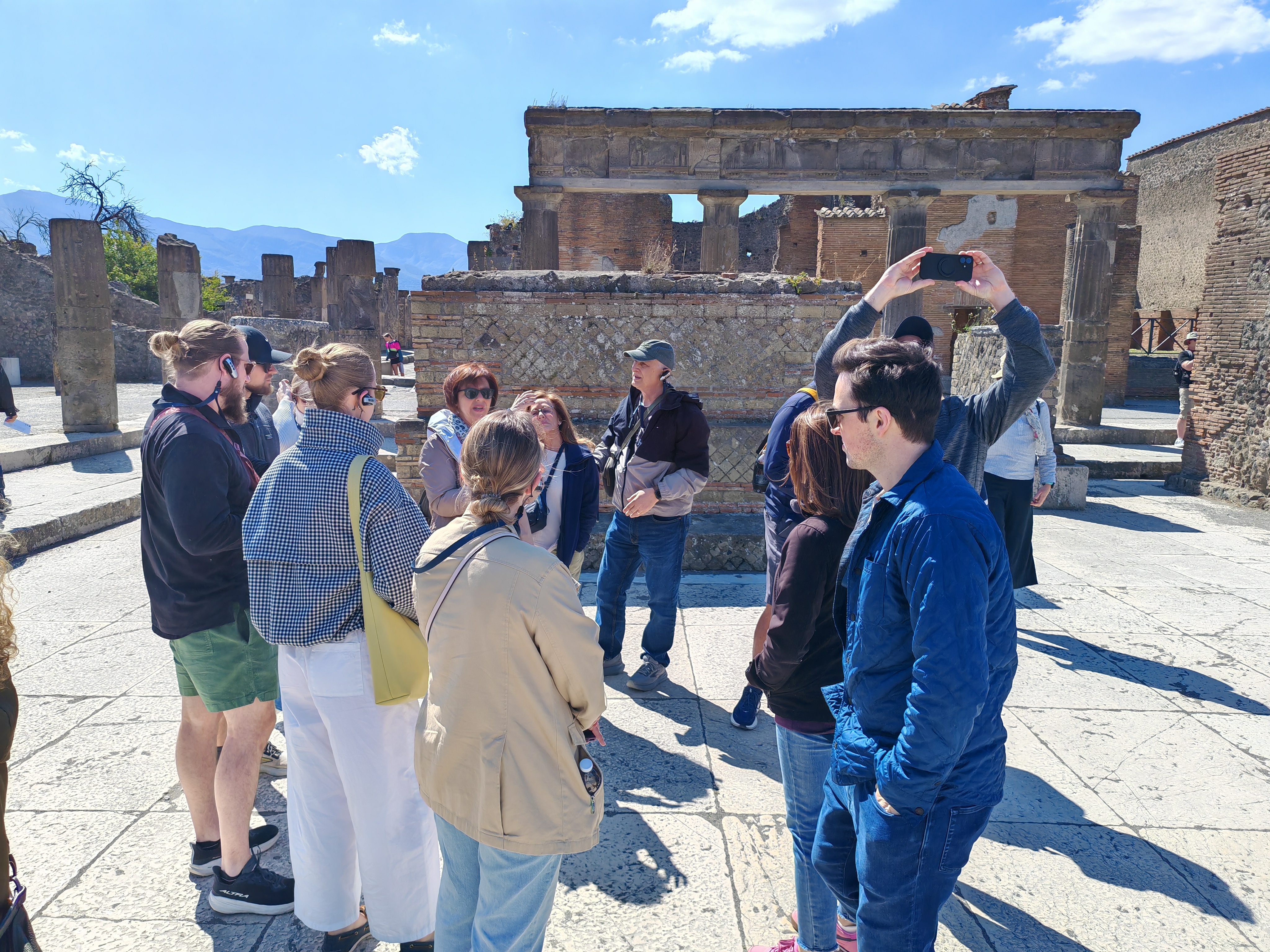
If you’ve ever said, “I’m not a group tour person,” you’re not alone — in fact, you’re exactly who we design our experiences for. Our slogan at Nada’s Italy is ‘tours for people who don’t go on tours’: intimate journeys for independent-minded travelers who crave connection, culture, and comfort — without the stress of doing it all alone.
With small groups of just 6–12 guests, handcrafted itineraries, no big buses, and plenty of personal space, our tours are redefining what group travel looks and feels like. Come see why so many of our guests return year after year — and why your best trip to Italy might be the one you never thought you’d take!

Check out some of our most popular tours:
Ready to Begin Your Italian Adventure?
Let us take care of the details so you can focus on creating memories.
📧 Contact us at: info@nadasitaly.com
🌍 Explore our tours: www.nadasitaly.com
📞 Call us: +1 (877) 959-8365
📌 Follow us for travel inspiration!
📷 Instagram: @nadasitaly
📘 Facebook: Nada’s Italy
💼 LinkedIn: Nada’s Italy
Italy is a year-round destination, but the experience changes considerably…
Read More

One of the most common questions we hear from travelers…
Read More

Planning your first trip to Italy is exciting — and…
Read More

Even the most carefully planned overseas trip can have…
Read More

