
There’s a particular kind of magic that happens every week in towns and villages across Italy (and many other European countries), and it doesn’t require a museum ticket or a reservation. If you wander into the right piazza on the right morning, you’ll find yourself inside something that feels deeply, unmistakably Italian.
It’s market day.
From the sun-baked squares of Sicily to the misty hill towns of Umbria, the mercato settimanale — the weekly open-air market — is a ritual as old as Italy itself. It’s where grandmothers squeeze tomatoes and debate one vendor’s mozzarella over another’s, where fishermen arrive before dawn, where farmers display heirloom vegetables you’ve never seen before. For travelers who want to experience authentic Italy, not just visit it, market day is unmissable.

In Italy, the weekly market is never purely transactional. Yes, people come to buy seasonal produce, artisan cheese, fresh pasta, local bread, clothing, and flowers. But they also come to talk. To catch up with the farmer they’ve been buying from for thirty years. To argue, affectionately, about the price of fennel.
Nearly every Italian town has a designated market day woven into the fabric of local life: Mondays in one village, Thursdays in the next, Saturdays in the bigger town nearby. Unlike the tourist-facing markets of major cities, the weekly markets in smaller towns are primarily for residents: prices are honest, vendors are often multi-generational, and the atmosphere is genuine community rather than performance. Planning your Italy trip to see a market day can be one of the best travel decisions you make!
Every Italian market has its own personality, shaped by region and season. But most share a familiar cast:
The vegetable and fruit stalls are the heart of any mercato. Spring brings asparagus and artichokes; summer overflows with heirloom tomatoes and zucchini flowers; autumn offers porcini mushrooms and chestnuts; winter yields cavolo nero and prized Sicilian blood oranges. Shopping here connects you directly to the agricultural calendar that has governed Italian cooking for centuries.
No section generates more animated debate. The vendors here are custodians of culinary tradition: knowledgeable, opinionated, and generous with samples. A good salumi vendor will slice you a piece of speck, watch your reaction, and tell you exactly where it came from.
Regional bread traditions in Italy are astonishing in their variety: the puffy puccia of Puglia, the saltless pane sciocco of Tuscany, sesame-crusted rolls from a Sicilian wood oven. Market bread vendors sell directly from family bakeries and eating warm focaccia while walking between stalls is one of travel’s simple, perfect pleasures.
Not everything is food. Most weekly markets also feature clothing, fabrics, and household items, quality goods at honest prices. A linen tablecloth from a Wednesday market in Umbria makes a far more meaningful souvenir than anything sold in an airport gift shop.

Campo de’ Fiori, Rome — Daily
Rome’s most storied market has occupied the same piazza for over a century. In the mornings it’s a genuine food market. Flowers, seasonal fruit, spices, and local vendors, though more visitor-facing than most on this list. Arrive before 9am for the best experience and the most Roman atmosphere.
Porta Nolana Fish Market, Naples — Daily
If you want to understand Naples, come here early. This legendary fish market is one of the great sensory experiences of southern Italy: vendors hawking the morning’s catch with theatrical flair: shouted prices, dramatic gestures, and infectious Neapolitan energy. It is loud, chaotic, and completely wonderful.
Thursday Market, Bevagna (Umbria)
For those seeking authentic Italy off the beaten path, the weekly market in this medieval walled village draws farmers and shoppers from surrounding valleys. Prices are low, conversation is genuine, and you’re unlikely to encounter another foreign tourist. This is the Italy most travelers never find.
Saturday Market, Greve in Chianti (Tuscany)
One of the best markets among Tuscan villages, the market of Greve in Chianti has been active since 1300. Held in the distinctive triangular Piazza Matteotti, it is the weekly heartbeat of Chianti wine country: local farmers and producers lay out pecorino, salumi, olive oil, and seasonal produce from the surrounding hills. On a good Saturday morning, you can taste your way across a Tuscan larder before the church bells strike noon. When possibile, we take our travelers while on Florence&Tuscany tour for a nice stroll between bancarelle.
Saturday Market, Ortigia — Syracuse, Sicily
On the island of Ortigia, the Saturday market is a feast for all the senses. Swordfish, tuna, and sea urchins gleam on the ice; caponata vendors fill jars with sweet-and-sour eggplant; blood oranges are stacked in pyramids that catch the Sicilian light. The market spills through narrow Baroque streets, vivid and ancient. Depending on timing and location, you could join a market while on the Sizzling Sicily Tour with your small group tour!

One of the most profound things about the mercato settimanale is what it reveals about how Italians relate to time. In a world of on-demand delivery and 24-hour convenience, the weekly market insists on a different rhythm. It comes once a week, happens at a specific hour and it disappears by noon.
This is not inconvenience, it’s structure that creates anticipation, habit, and community. Thursday is market day, which means Wednesday you plan, Thursday morning you go out early, Thursday afternoon you cook. The market organizes the week around pleasure and nourishment.
For travelers, it’s an invitation: slow down, plan your Italy trip around market days, and let the morning unfold without an agenda. This is not a detour from the Italian experience. This is the Italian experience.
At Nada’s Italy, we believe the best way to know Italy is to live inside it. To shop where locals shop, eat where locals eat, and walk where tourists rarely wander. Our small-group Italy tours (just 6 to 12 travelers) are designed to make that possible, with plenty of free time along with planned activities. Whether we’re exploring a morning market in Naples, uncovering a hidden village in Umbria, or finding the perfect trattoria for a market-fresh lunch, you can enjoy at your leisure, strolling between bancarelle, the stands in the mercato. If you are working with our ByDesign team to customize your perfect journey through Italy, remember to ask about market days and leave time for that!
👉 Have questions? Visit our FAQ page or explore our blog for more stories from Italy.

If you’ve ever watched Italy compete on the world stage—whether…
Read More

Italy is internationally celebrated for its art, architecture, food, and…
Read More
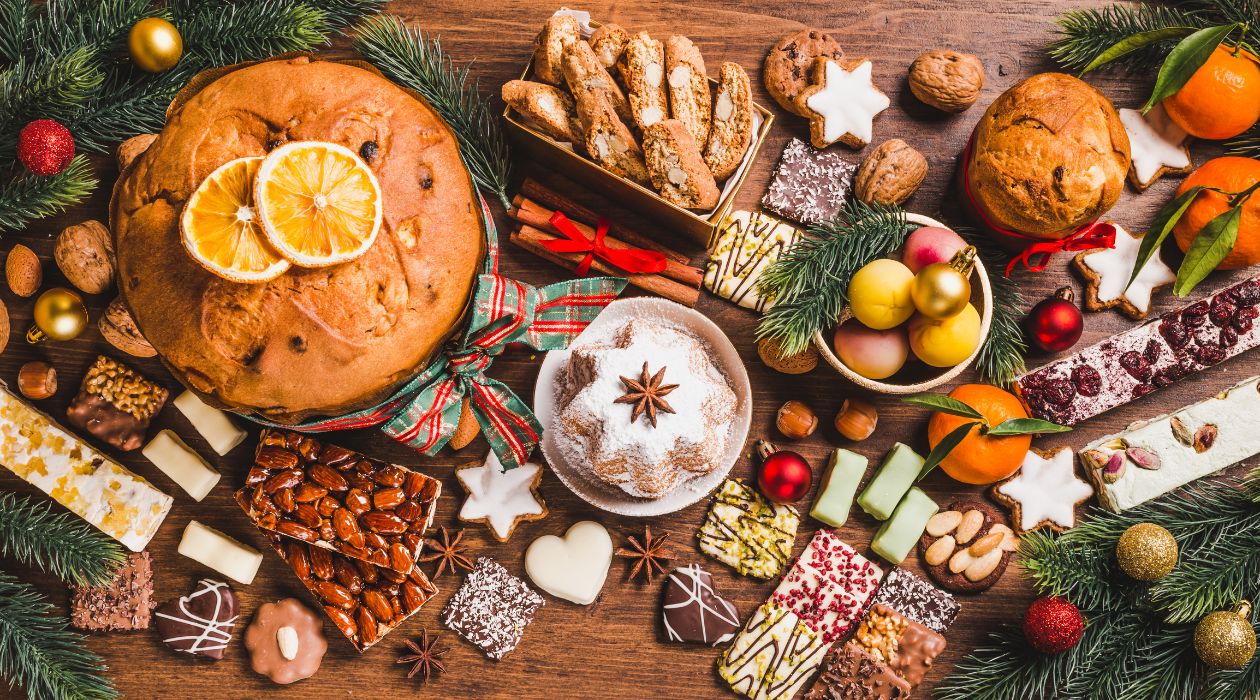
Christmas Food Traditions: From Our Tables to Yours Christmas in…
Read More

For Italians, Christmas is more than a holiday — it’s…
Read More

